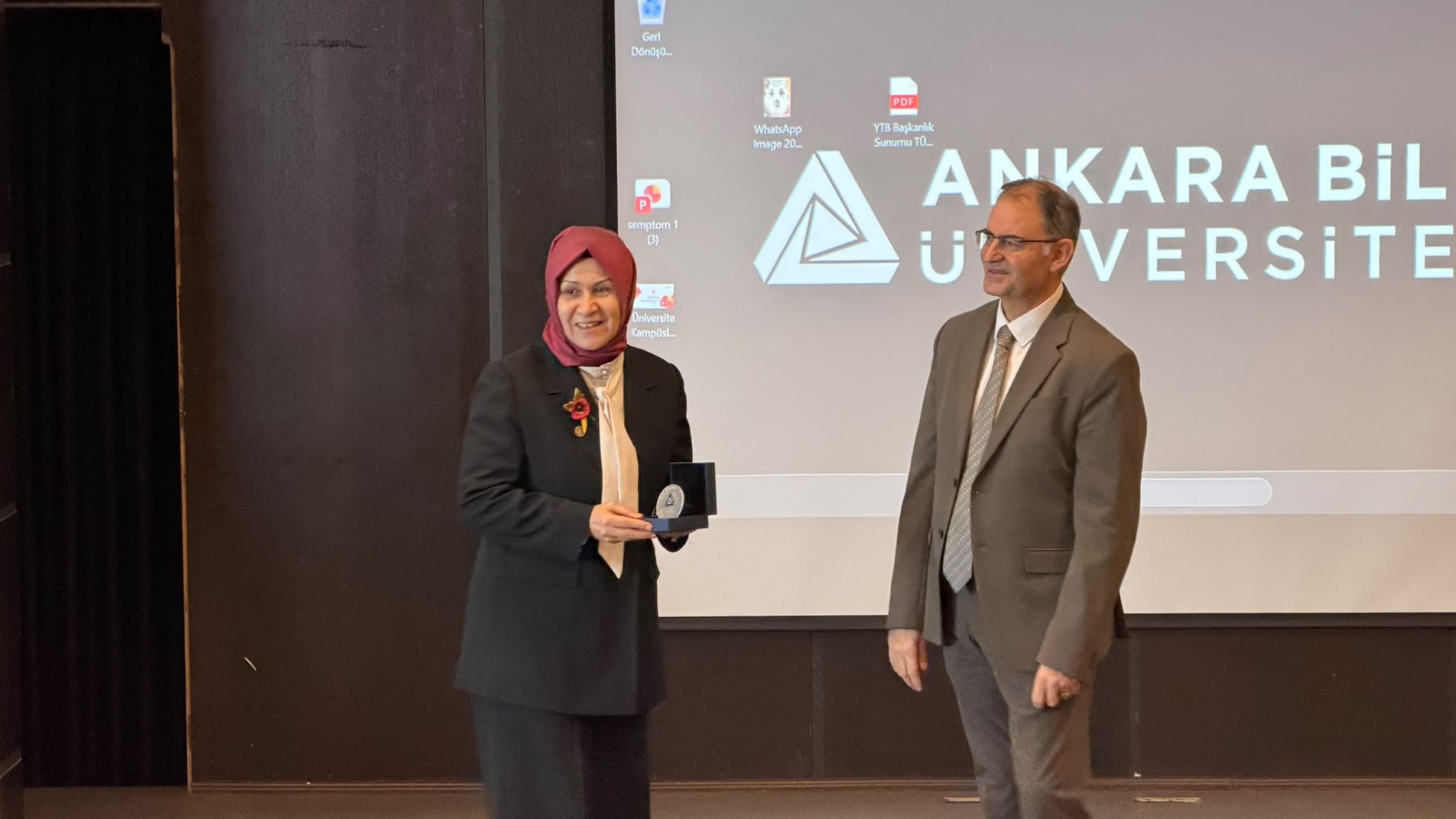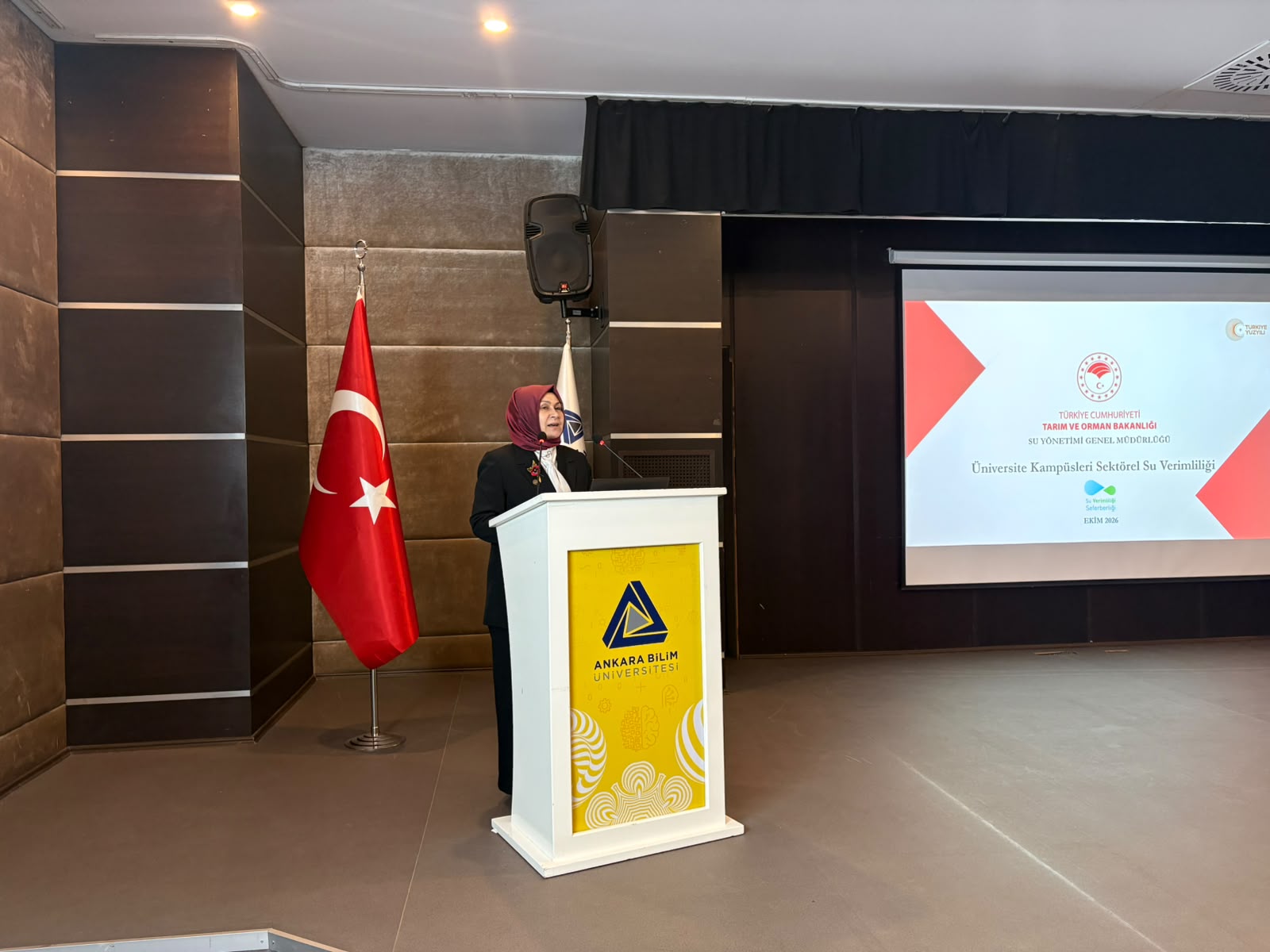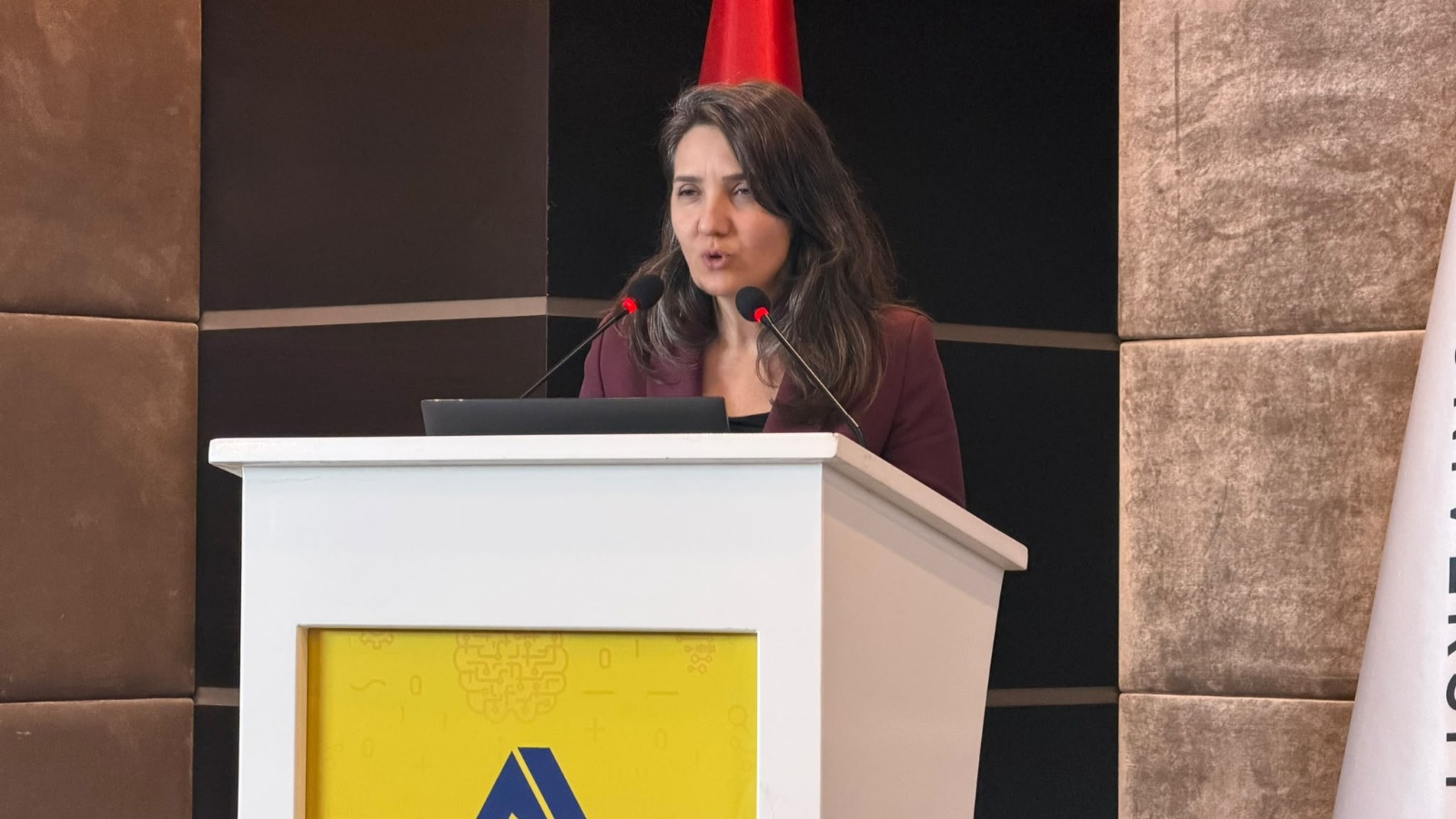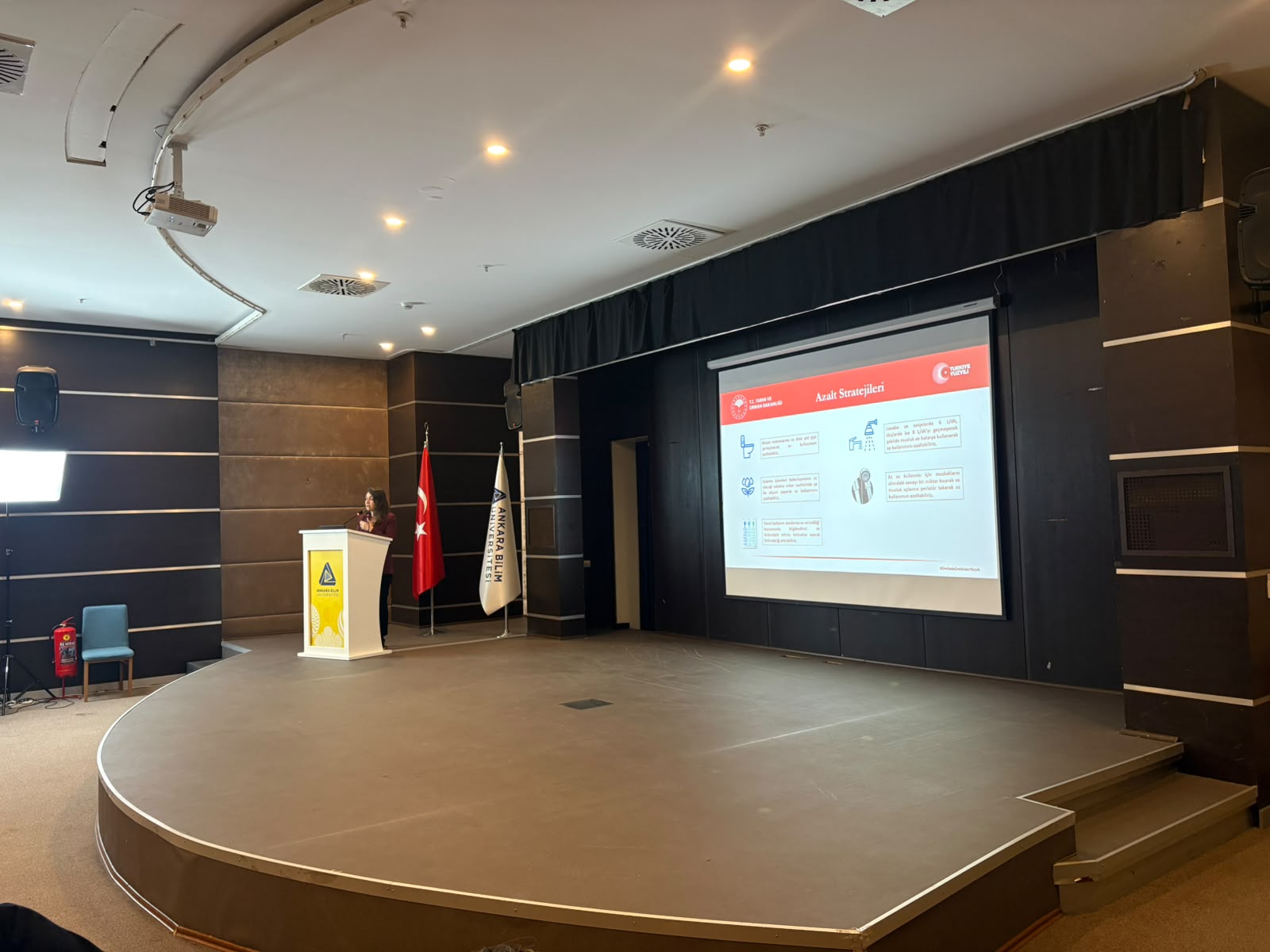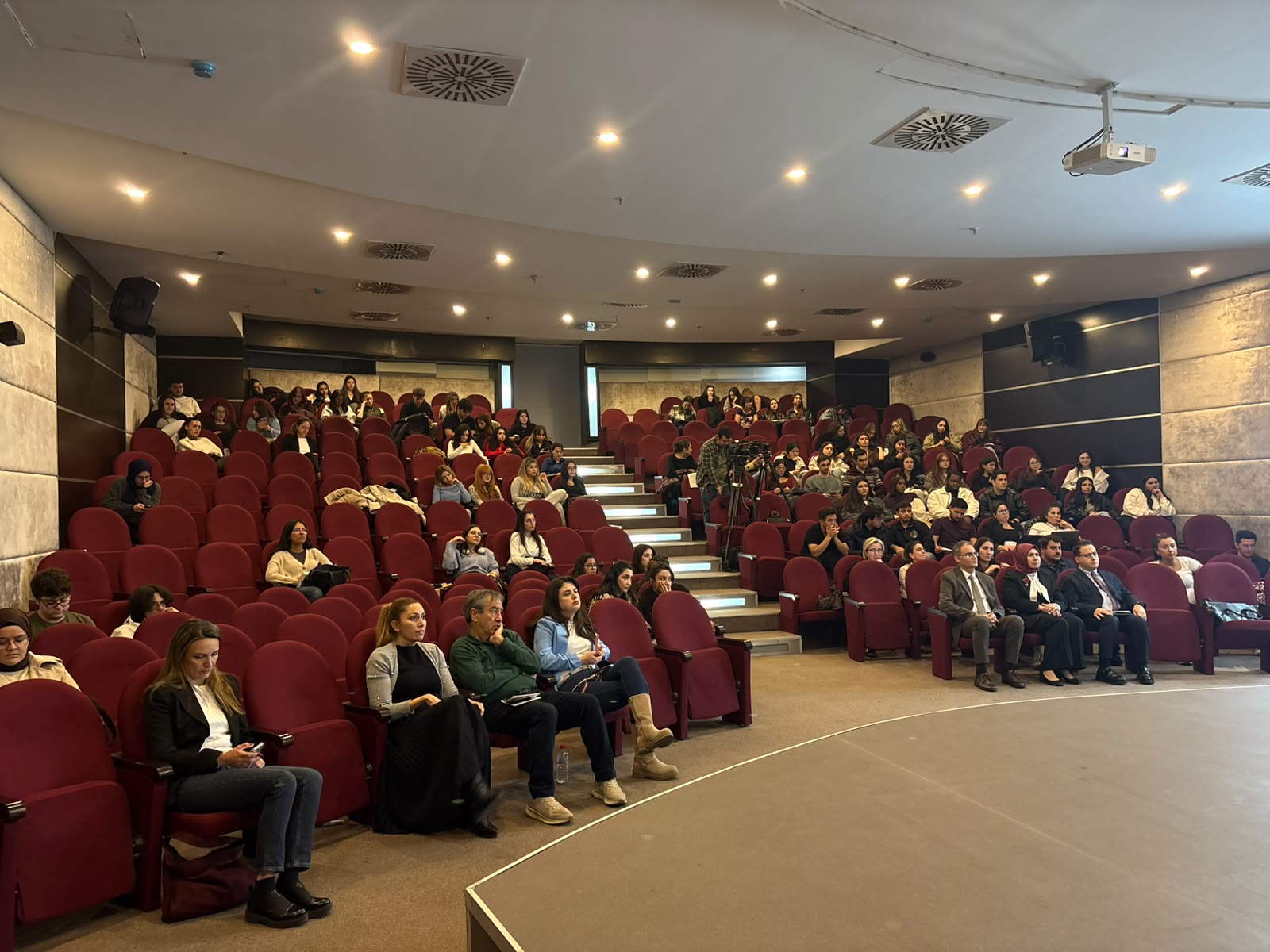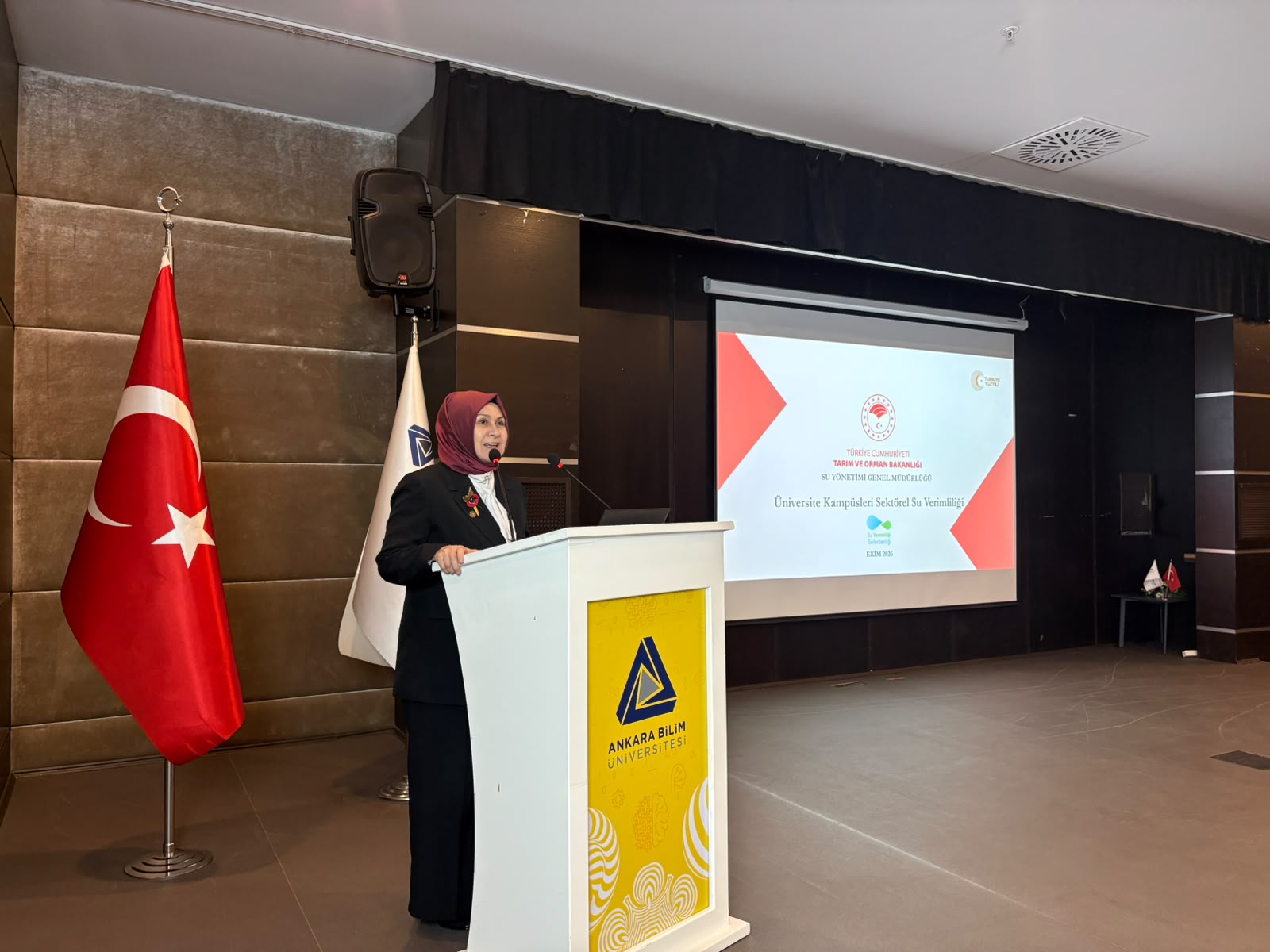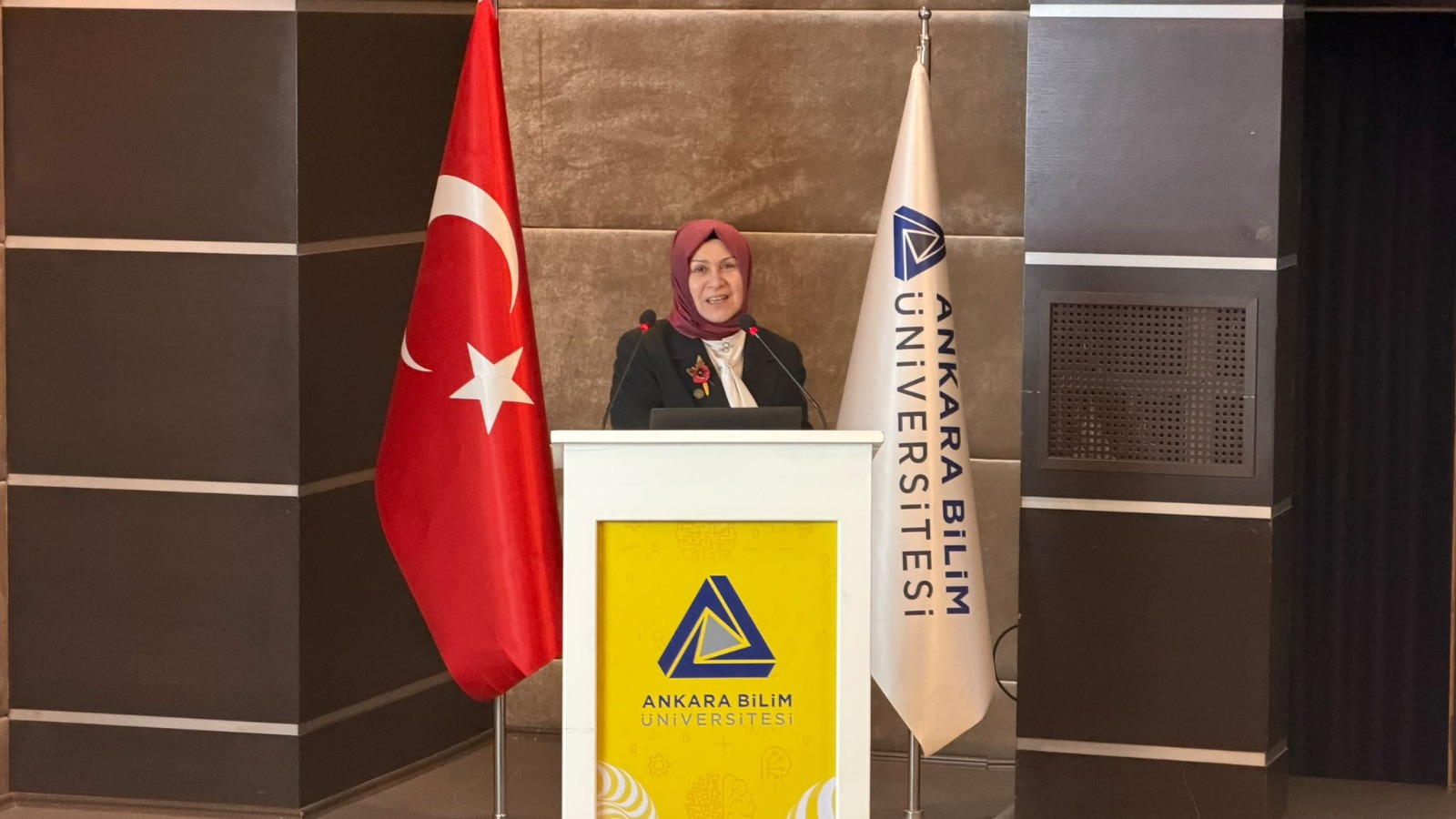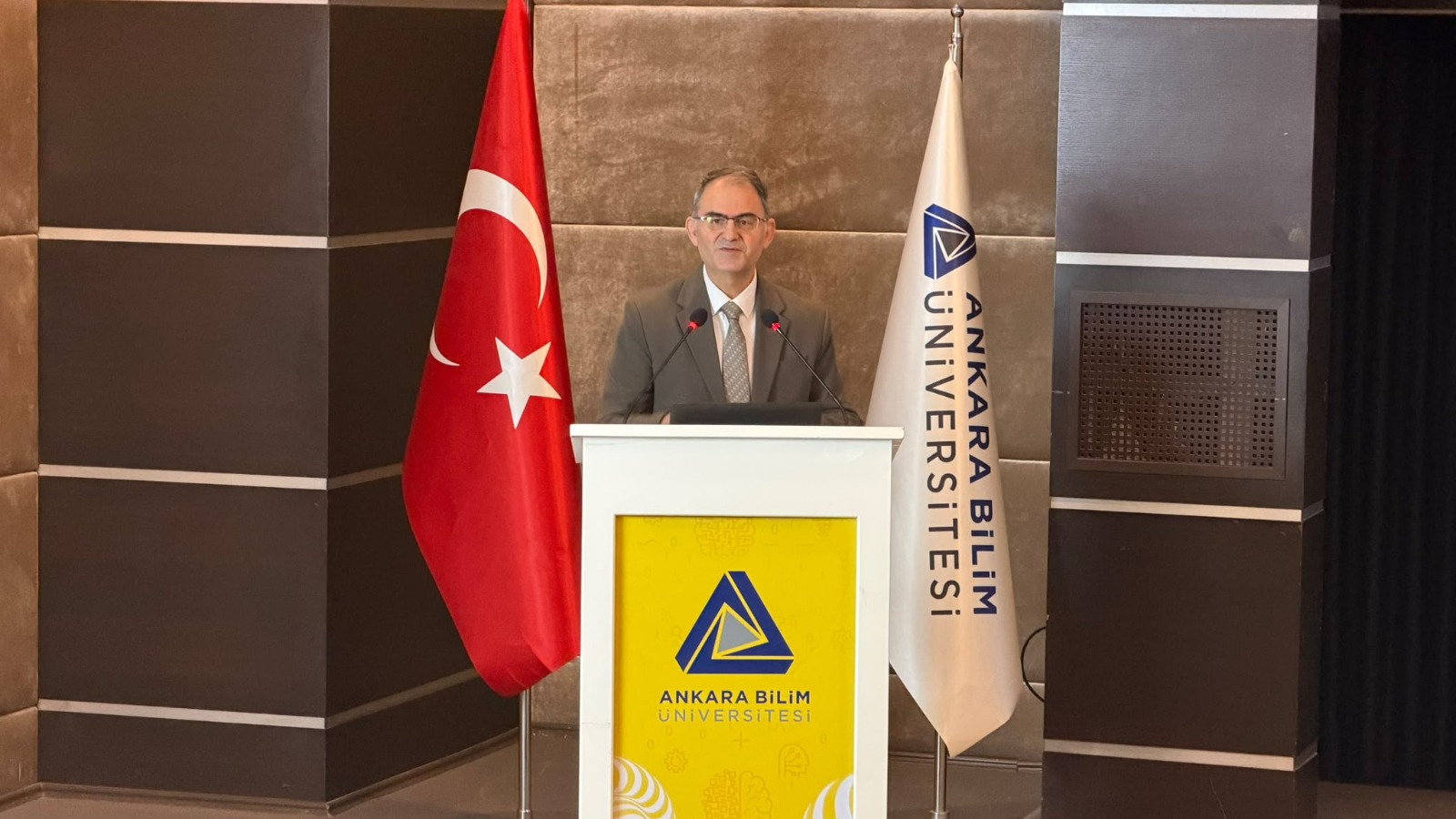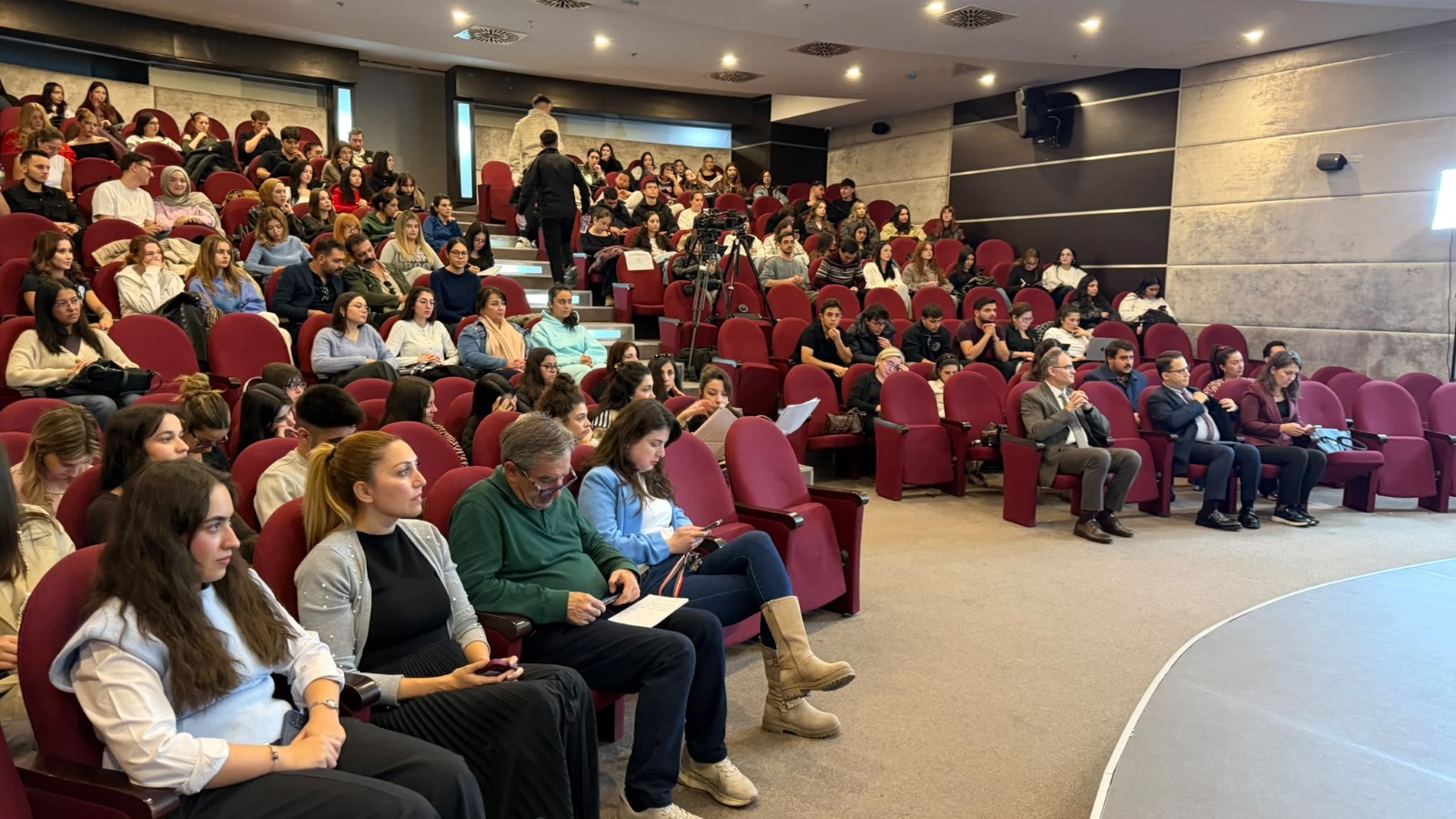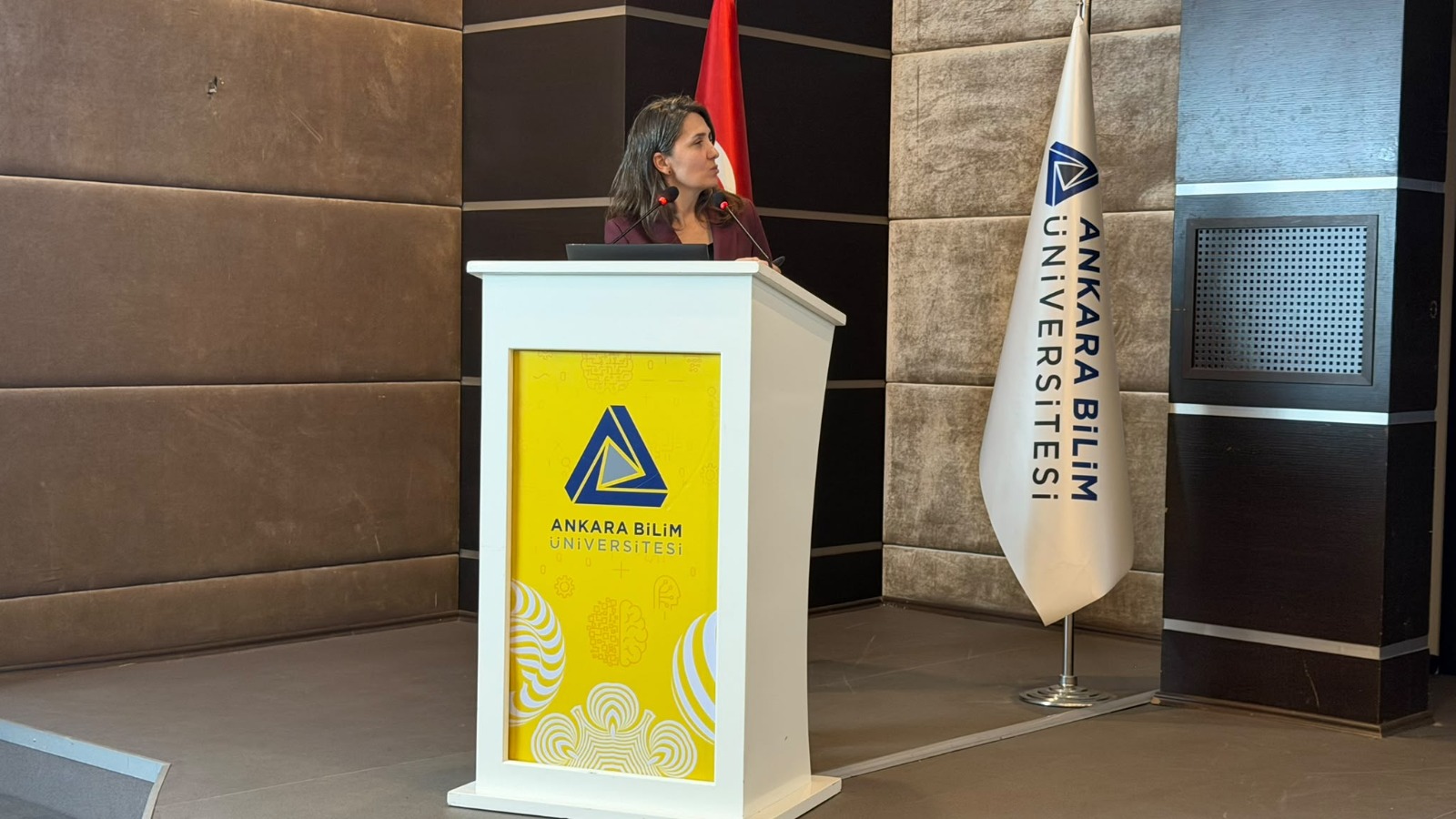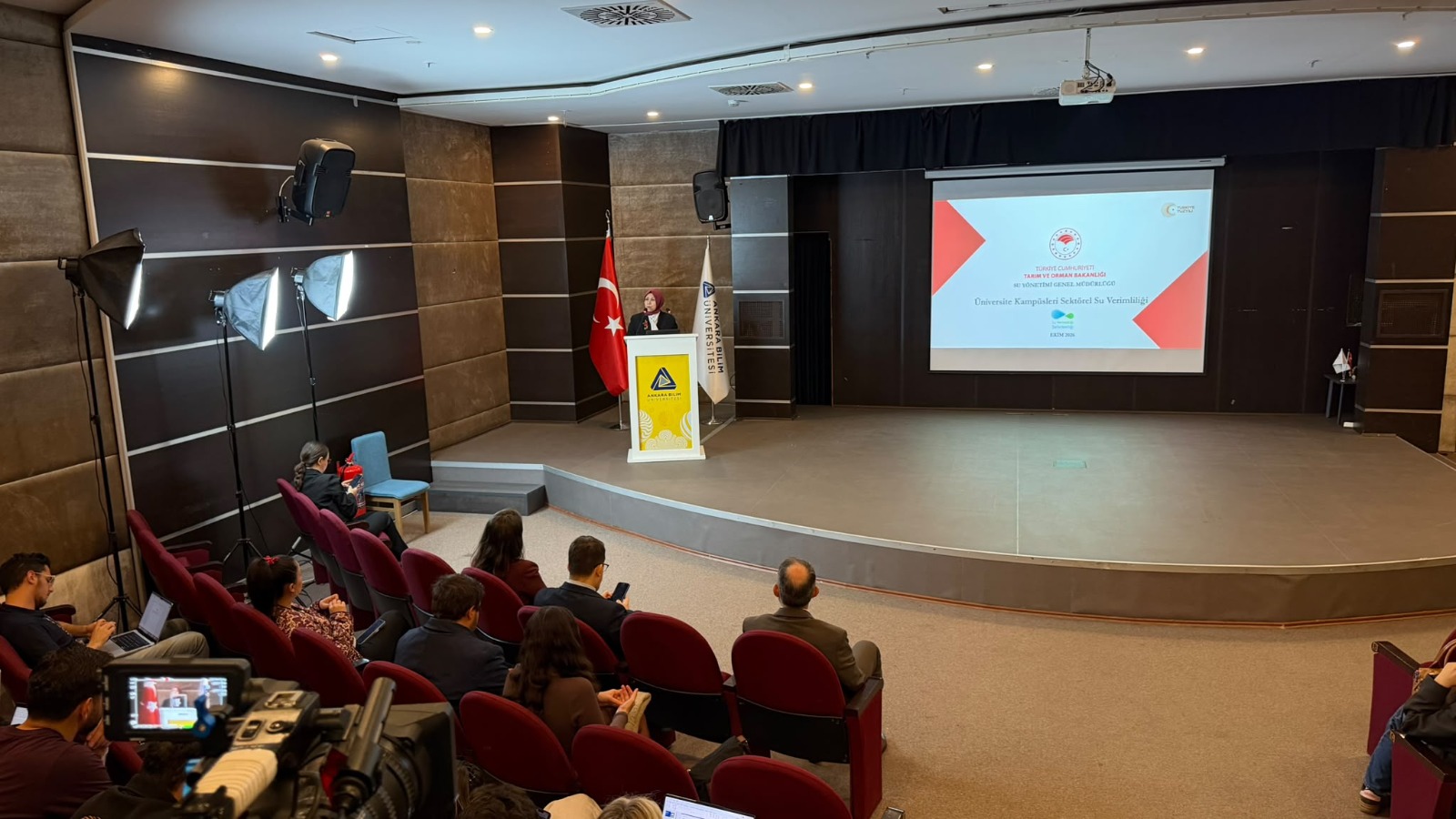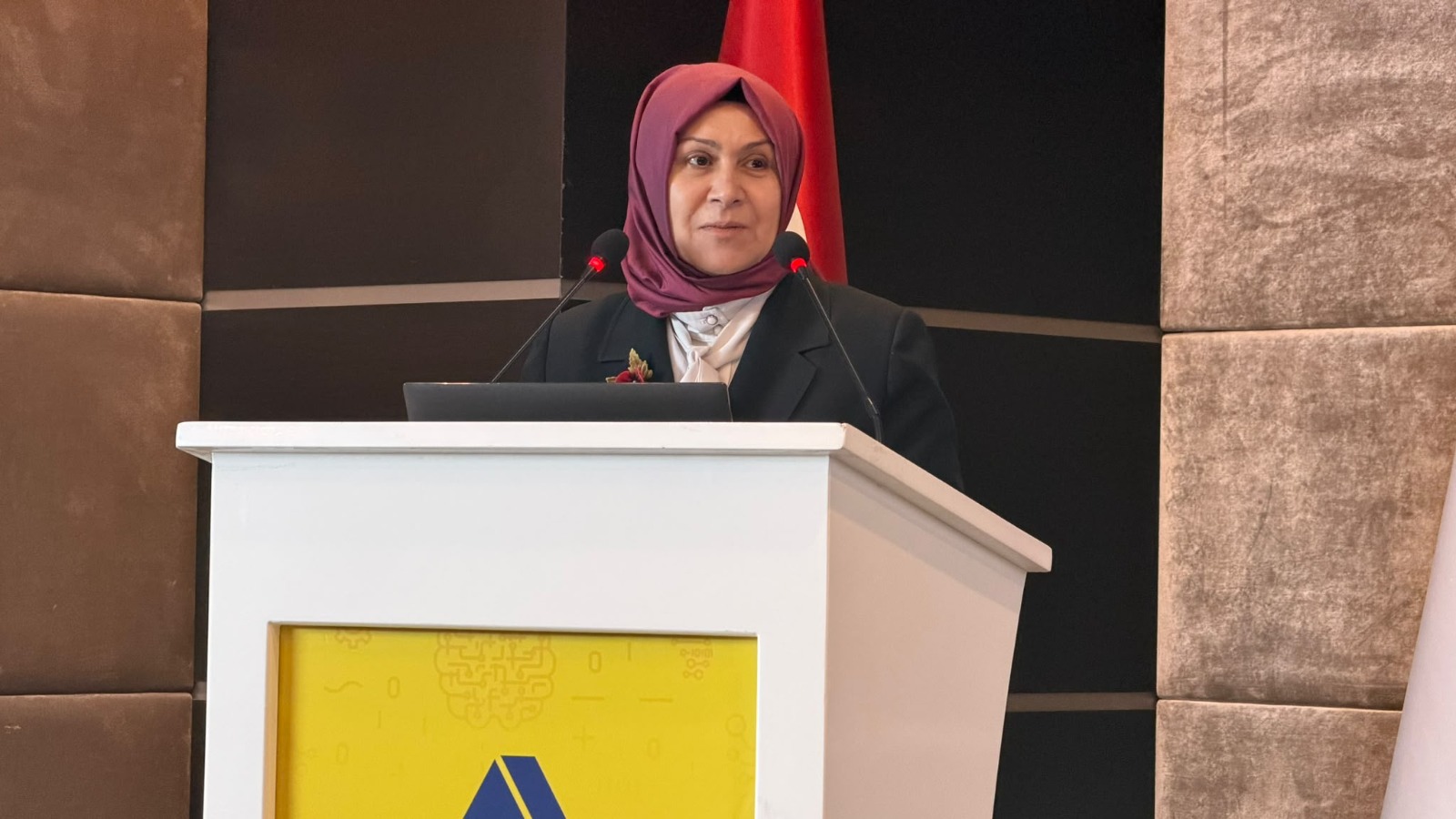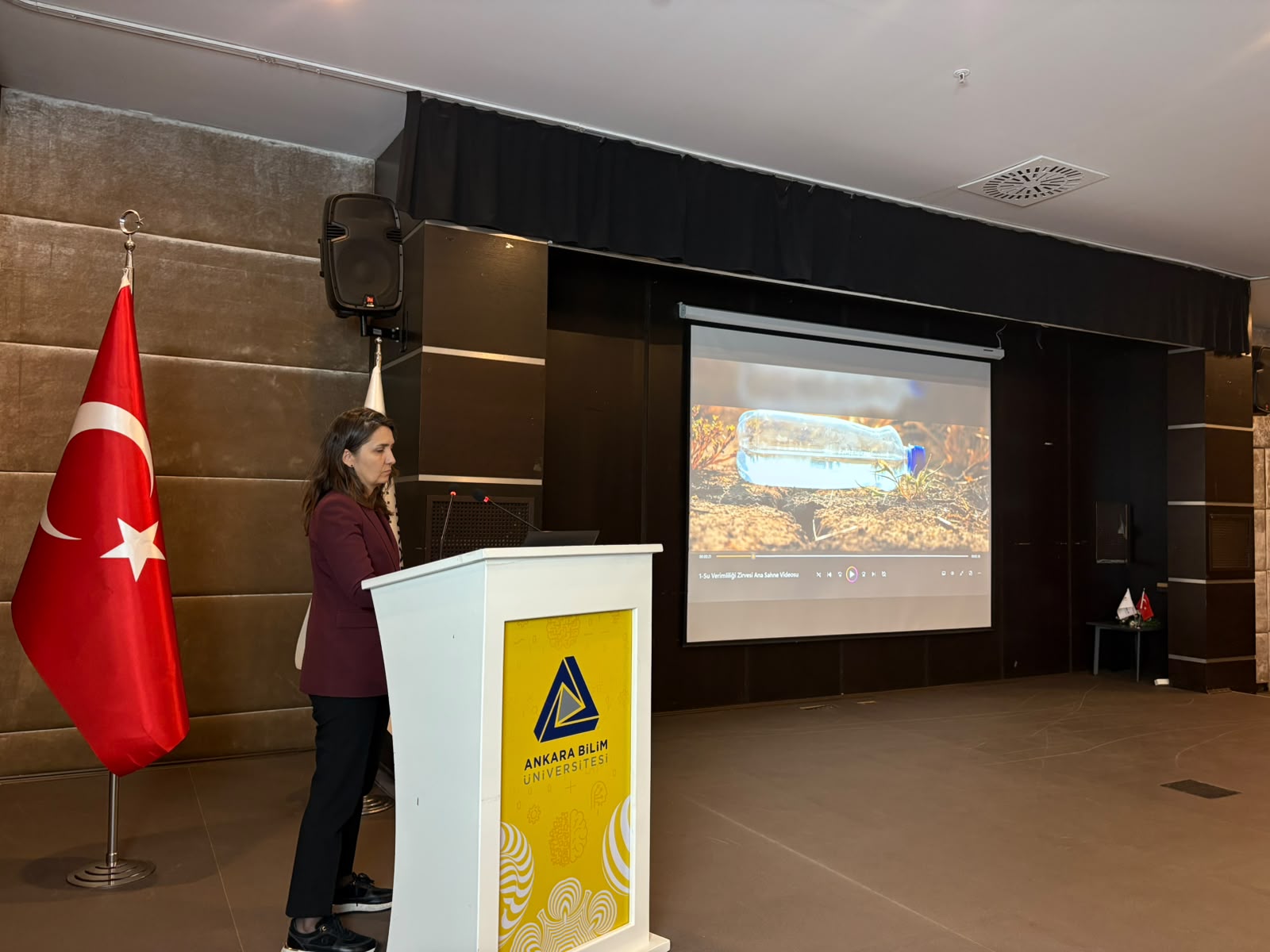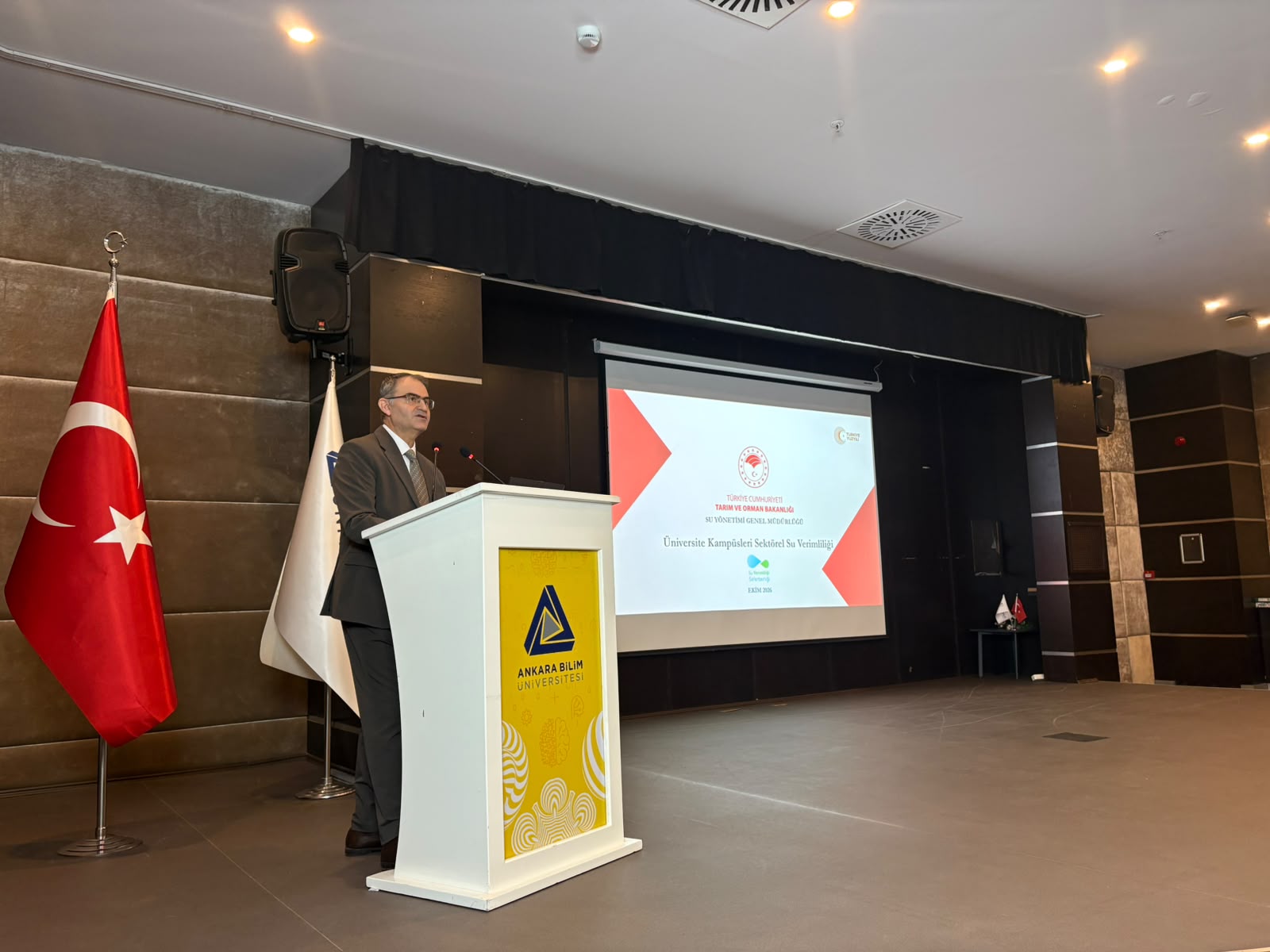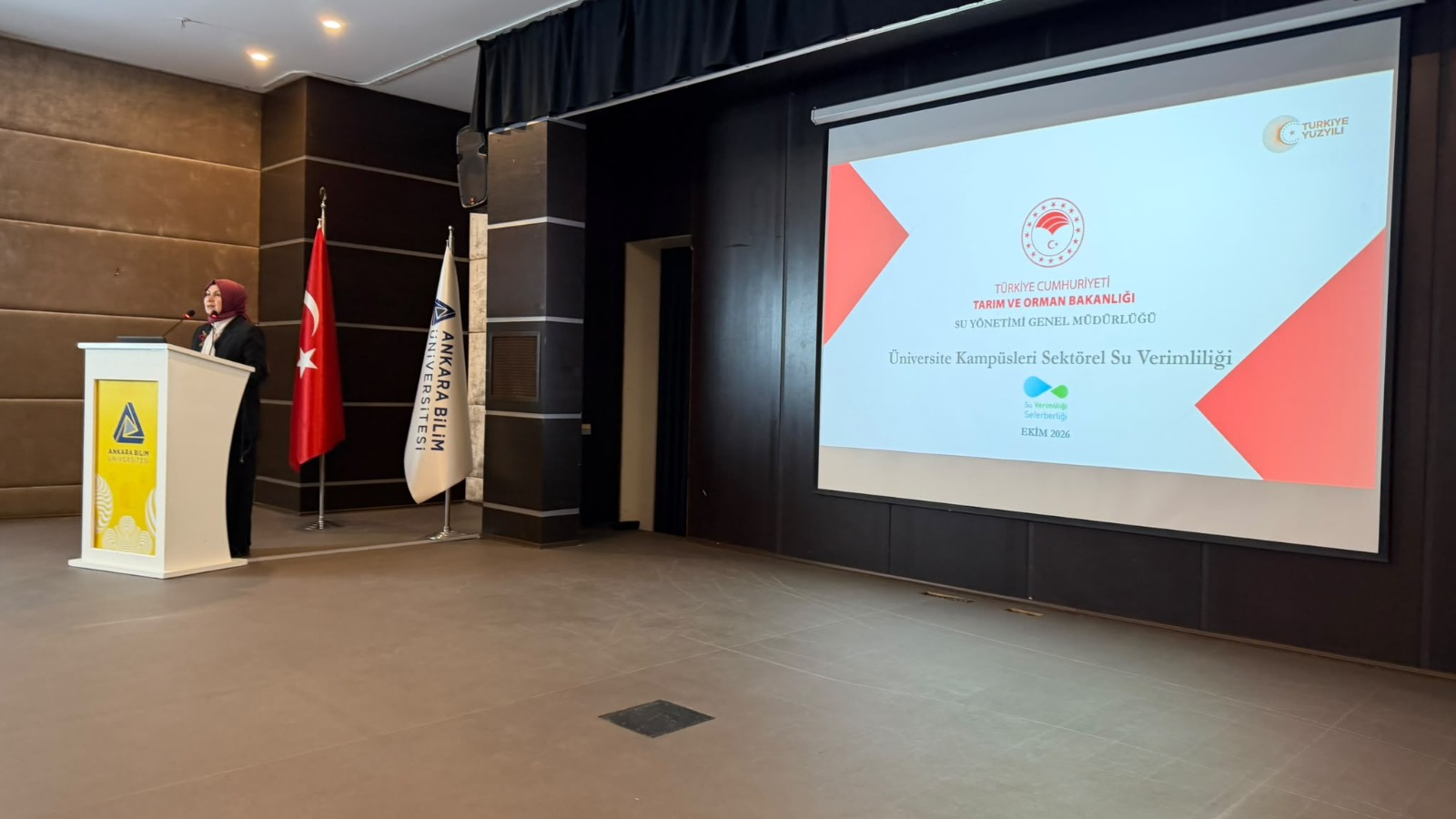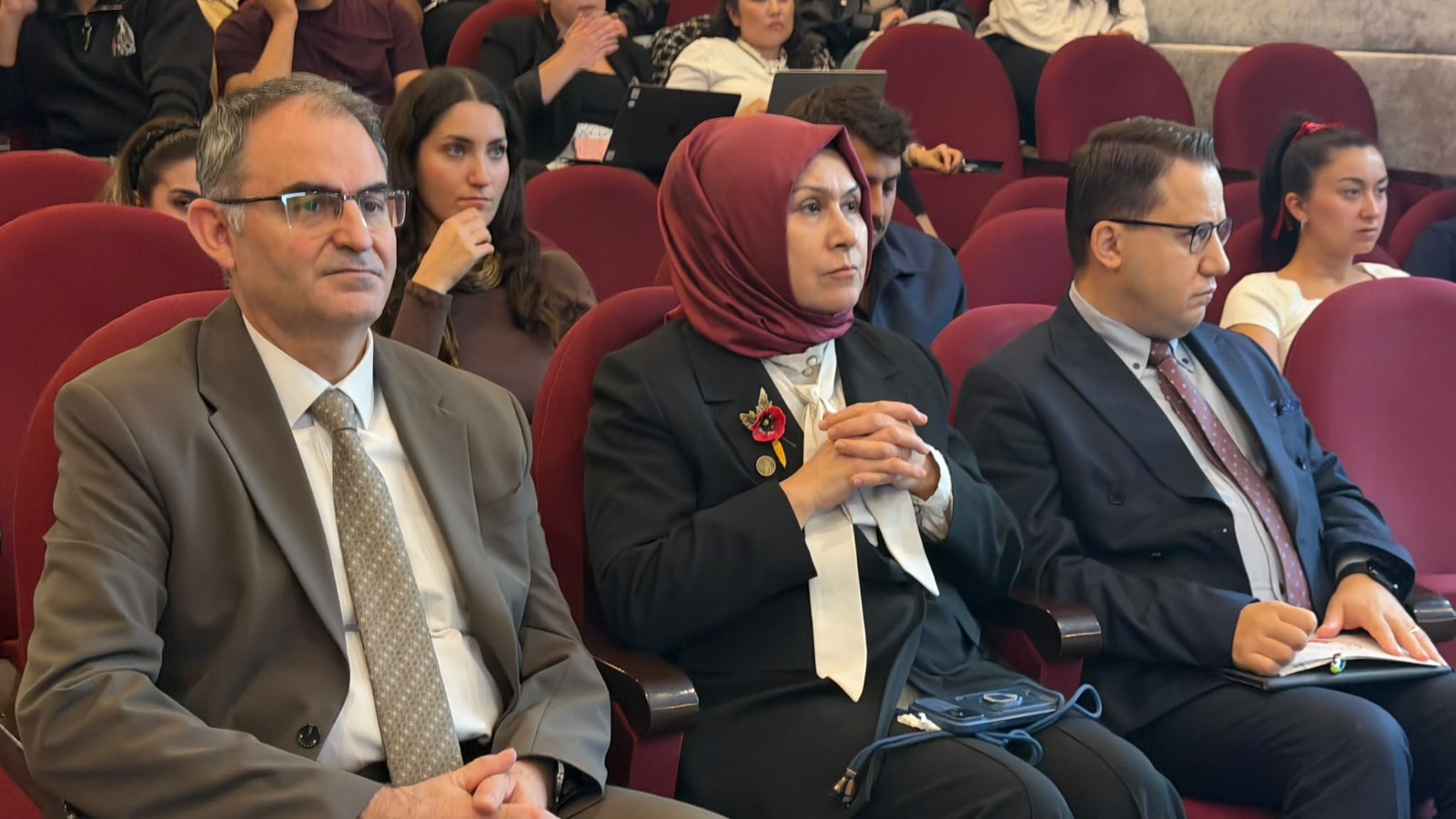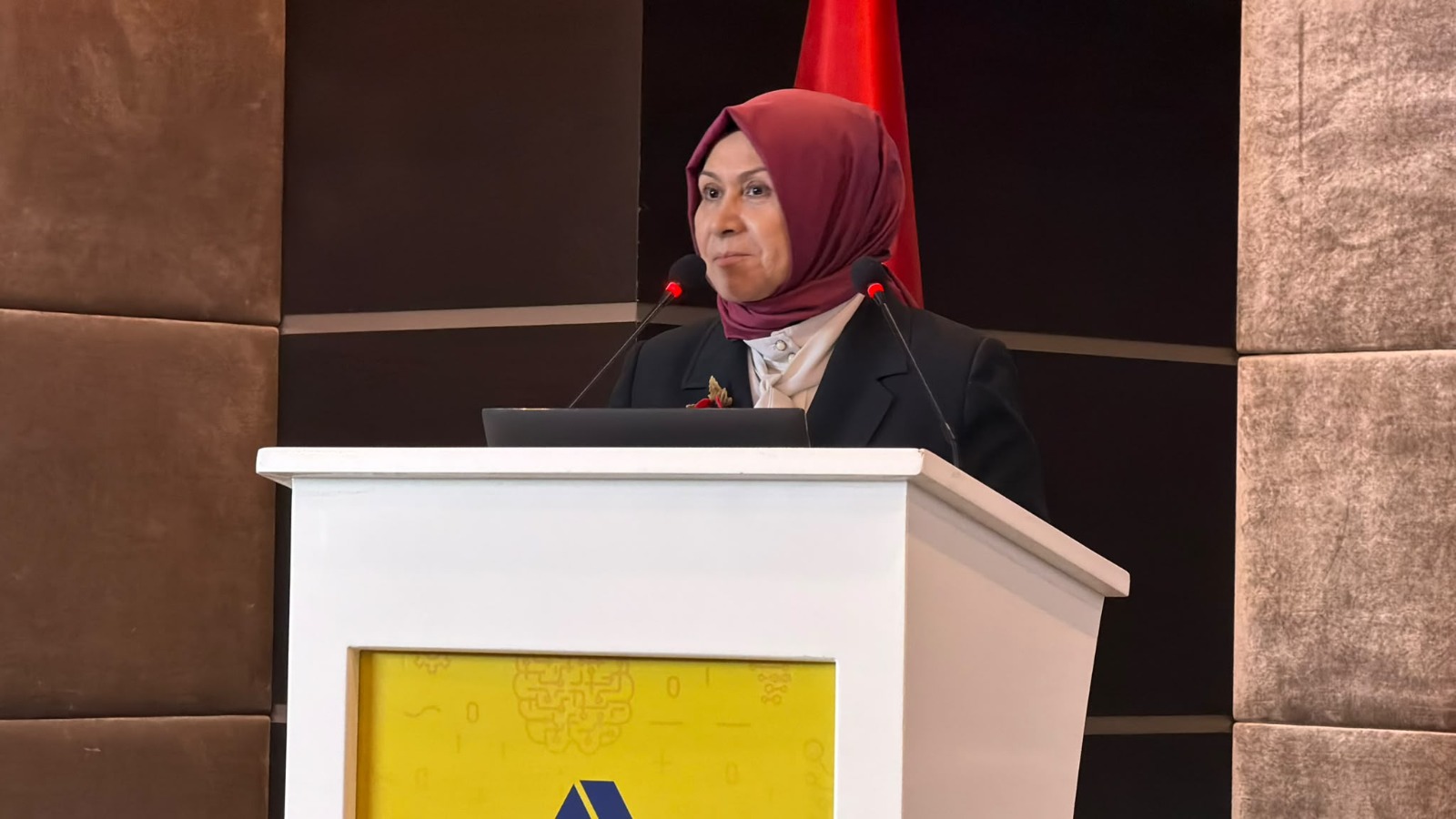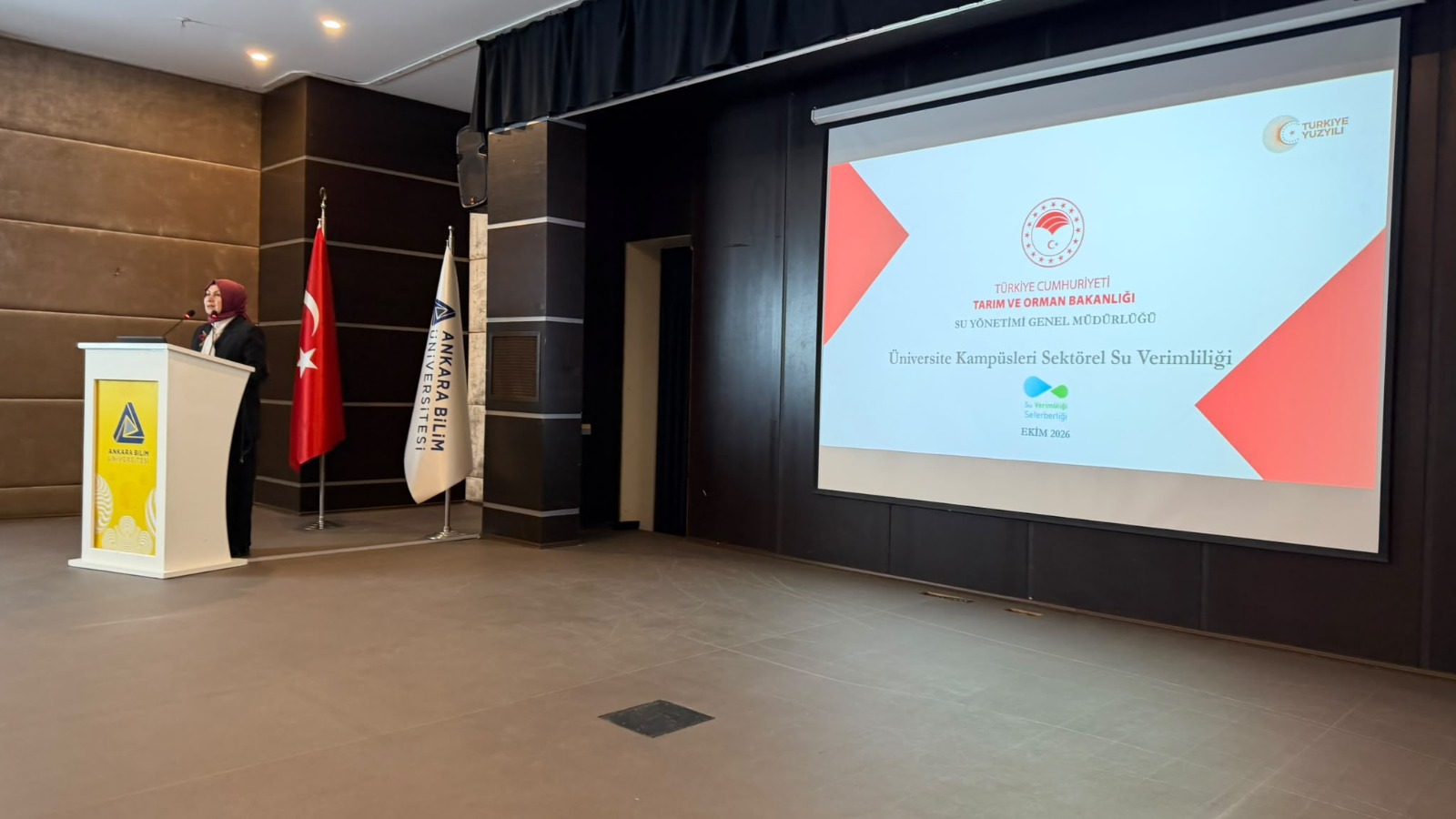
At the Water Efficiency Training held at Ankara Bilim University, discussions focused on the impacts of climate change on water resources, Turkey’s water potential, and efficiency measures that can be implemented on university campuses. The training emphasized the importance of institutional responsibilities regarding the protection and sustainable use of water resources.
The program, hosted by Ankara Bilim University, was attended by Afire Sever, General Director of Water Management at the Ministry of Agriculture and Forestry; Aslıhan Korkmaz, Head of the Water Efficiency Department; Deputy General Director Neşat Onur Şanlı; and department staff member Nesibe Turan.
Rector Prof. Dr. Cem Harun Meydan: “Water efficiency must evolve into a permanent institutional culture.”
Ankara Bilim University Acting Rector Prof. Dr. Cem Harun Meydan stated that climate change, drought, population growth, and rising water demand have made the protection of water resources increasingly critical. He pointed out that the issue of water is a strategic matter affecting food security, economic development, energy production, and social well-being.
Noting that the "Water Efficiency Mobilization" initiative, along with the 2023–2033 Water Efficiency Strategy Document and Action Plan, provides a vital roadmap for the sustainable use of water, Rector Prof. Dr. Cem Harun Meydan highlighted the responsibility of universities to serve as role models for society and to foster awareness among the youth.
The Rector further noted that a Water Efficiency Coordination Office was established at the university in August, and that efforts have been initiated to measure water consumption, assess the current situation, and ensure more efficient use of resources. Cem Harun Meydan stated that they aim to complete the necessary preparations to obtain a water efficiency certificate. He also mentioned that a National Productivity Congress, centered on the theme of water efficiency, is planned for 2027. Rector Prof. Dr. Cem Harun Meydan emphasized that water efficiency is not merely about using less water, but rather about using water in a smarter and more responsible manner.
Director General Afire Sever: “Having access to water is important; sustaining that access is even more critical.”
Afire Sever, Director General of Water Management at the Ministry of Agriculture and Forestry, noted that water is the foundation of sustainable development. She pointed out that Turkey is not a water-rich country and that climate change is intensifying the pressure on its water resources. Highlighting that more than 2.4 billion people globally lack access to clean water, Director General Afire Sever stated that, in line with Turkey’s 2053 net-zero emissions target, efforts to mitigate climate change and adapt to its impacts must be pursued in tandem.
Referring to modeling studies conducted across Turkey’s 25 water basins, Director General Afire Sever shared projections indicating an 18.7% decline in water resources and an approximately 10% decrease in precipitation by 2030. She further noted that, by the end of the century, temperature increases could reach between 4.5 and 6 degrees Celsius. In light of these risks, she underscored the importance of a holistic, basin-based approach to water management.
Regarding flood risks, Director General Afire Sever stated that the General Directorate has prepared over 30,000 hazard and risk maps across the 25 basins, emphasizing that planning initiatives must be carried out in alignment with scientific data. She stated that the early warning system, designed to forecast floods 72 hours in advance, currently operates at 1,024 locations, with a target to expand this to 5,000 sites. She also highlighted the importance of modern irrigation methods, closed-conduit systems, and groundwater storage facilities in combating drought.
General Manager Afire Sever noted that the average daily water consumption per person in Turkey is approximately 147 liters—exceeding 200 liters in Ankara—and that the goal is to gradually reduce this consumption to 120, 100, and eventually 90 liters. She emphasized the significance of practices such as greywater reuse, rainwater harvesting, and the reduction of water losses. Stating that "management begins where data exists," General Manager Afire Sever explained that efforts toward smart water management—based on real-time measurement and monitoring—are underway, with a geographic management system scheduled to be launched in 2027.
Department Head Aslıhan Korkmaz: "Deriving greater benefit from the same amount of water"
Aslıhan Korkmaz, Head of the Water Efficiency Department, assessed the impacts of climate change on water resources and evaluated Turkey’s water potential. She pointed out that projections indicate temperatures could rise by as much as 6 degrees Celsius by the end of the century, potentially leading to a decline in water resources of up to 25 percent. She further noted that Turkey’s total water potential is approximately 112 billion cubic meters, 79 percent of which is utilized in the agricultural sector. Pointing out that, according to the Falkenmark Index, the amount of available water per capita is approximately 1,300 cubic meters in 2026—a figure expected to decline to 1,270 cubic meters by 2030 due to population growth—Aslıhan Korkmaz highlighted that Turkey faces a risk of water scarcity. She noted that losses in drinking water distribution networks have reached an average of 31 percent across Turkey, with figures climbing as high as 60–70 percent in some cities. Regarding modern irrigation in agriculture...
...water systems, efficiency practices in industry, and the importance of drought-resistant landscaping in urban areas.
Aslıhan Korkmaz explained that a certification process is being implemented under the Water Efficiency Regulation, with universities, educational institutions, and dormitories participating in these efforts. She noted that during the "blue certificate" phase, institutions assess their current status and establish their goals and measures, while the "green certificate" phase focuses on sectoral criteria and technical applications. She added that the process requires forming a water efficiency team, conducting analyses, developing action plans, and adopting an approach of continuous improvement.
Stating that the first step on university campuses should be to identify where water is used and for what purposes, Aslıhan Korkmaz recommended the use of water-efficient equipment, rainwater harvesting, greywater systems, leak monitoring, and the transition to drought-resistant landscaping. Emphasizing the principles of "reduce, reuse, replace," she pointed out that simple measures—such as installing aerators and dual-flush toilet cisterns—can effectively lower both water consumption and operational costs.
Aslıhan Korkmaz mentioned that water efficiency guidelines have been prepared for 152 sectoral activities, including a specific guide for university campuses. She noted that these guidelines can be accessed via the websites of the General Directorate of Water Efficiency and Water Management.